Two modular self-balancing robots engineered as one collaborative delivery platform.
SPADEACECollaborative system in motion
System developed
One platform, built across the full engineering loop.
The project combined mechanical design, custom fabrication, high and low-voltage electrical systems, embedded control, sensor feedback, and extensive physical testing.
I contributed throughout the full build, with primary responsibility for electrical integration, embedded programming, power distribution, physical assembly, and balance-control development. I personally wrote and iteratively tuned the balance controller on the physical robots.
Project storyline
From architecture to demonstrated motion.
01
Define and down-select
Break the delivery challenge into buildable systems.
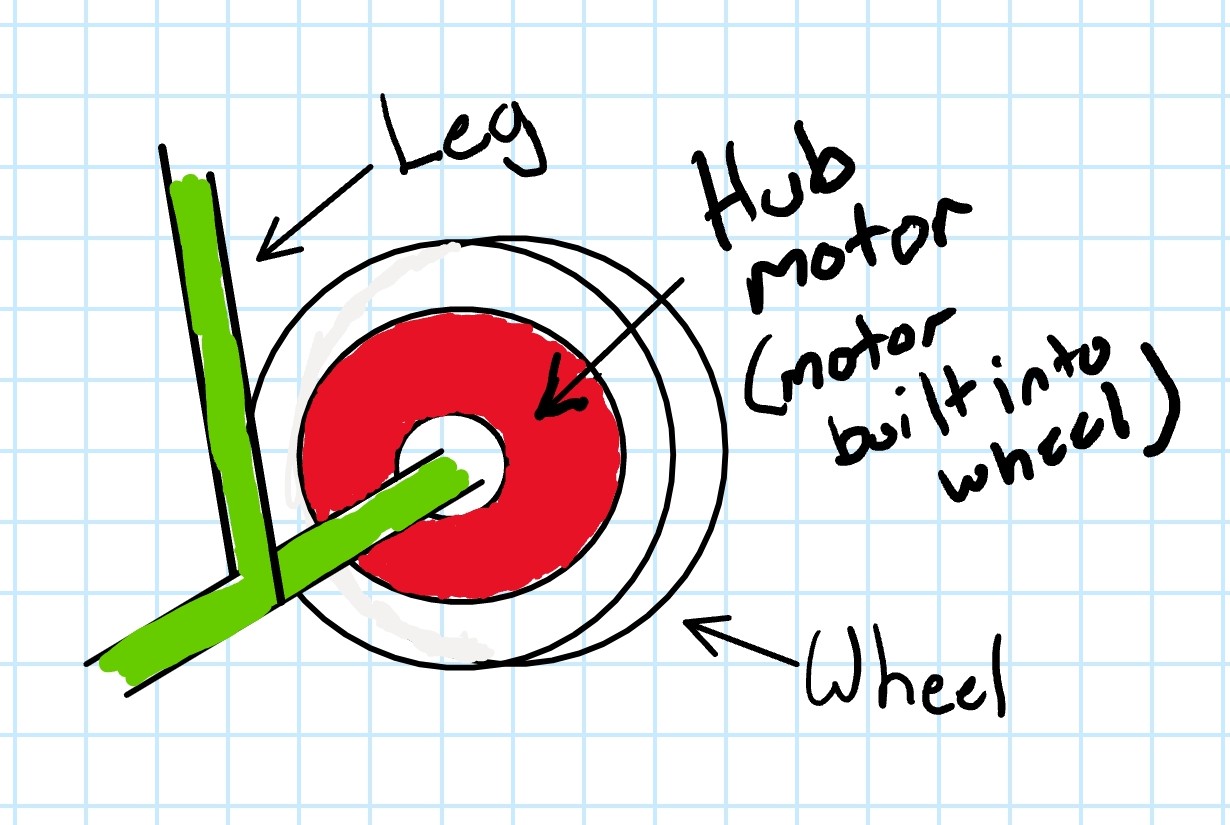
Mobility, vertical motion, storage, latching, control, and power were defined as connected subsystems. Early drivetrain concepts were compared for stability, efficiency, packaging, and serviceability.
02
Design and refine
Iterate the drivetrain, legs, chassis, and latch.
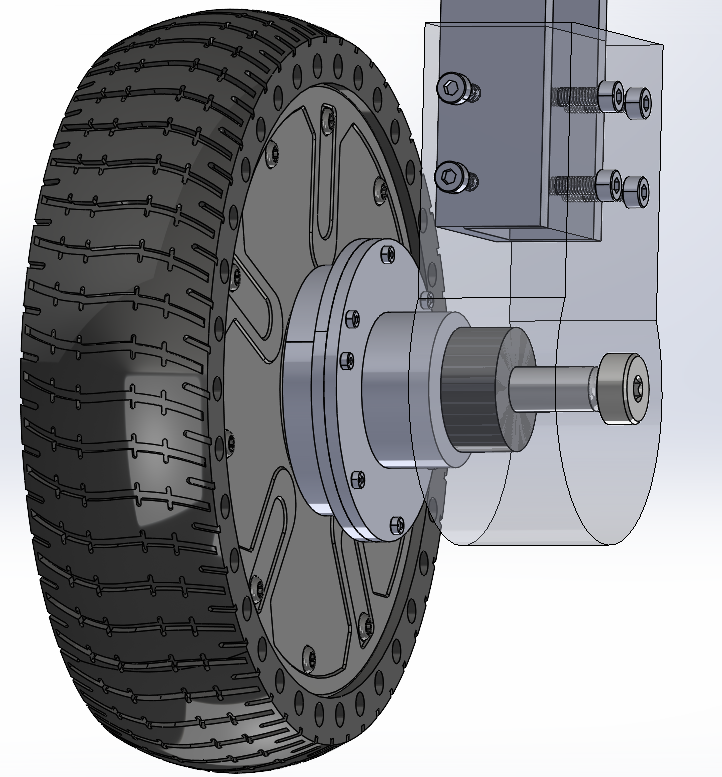
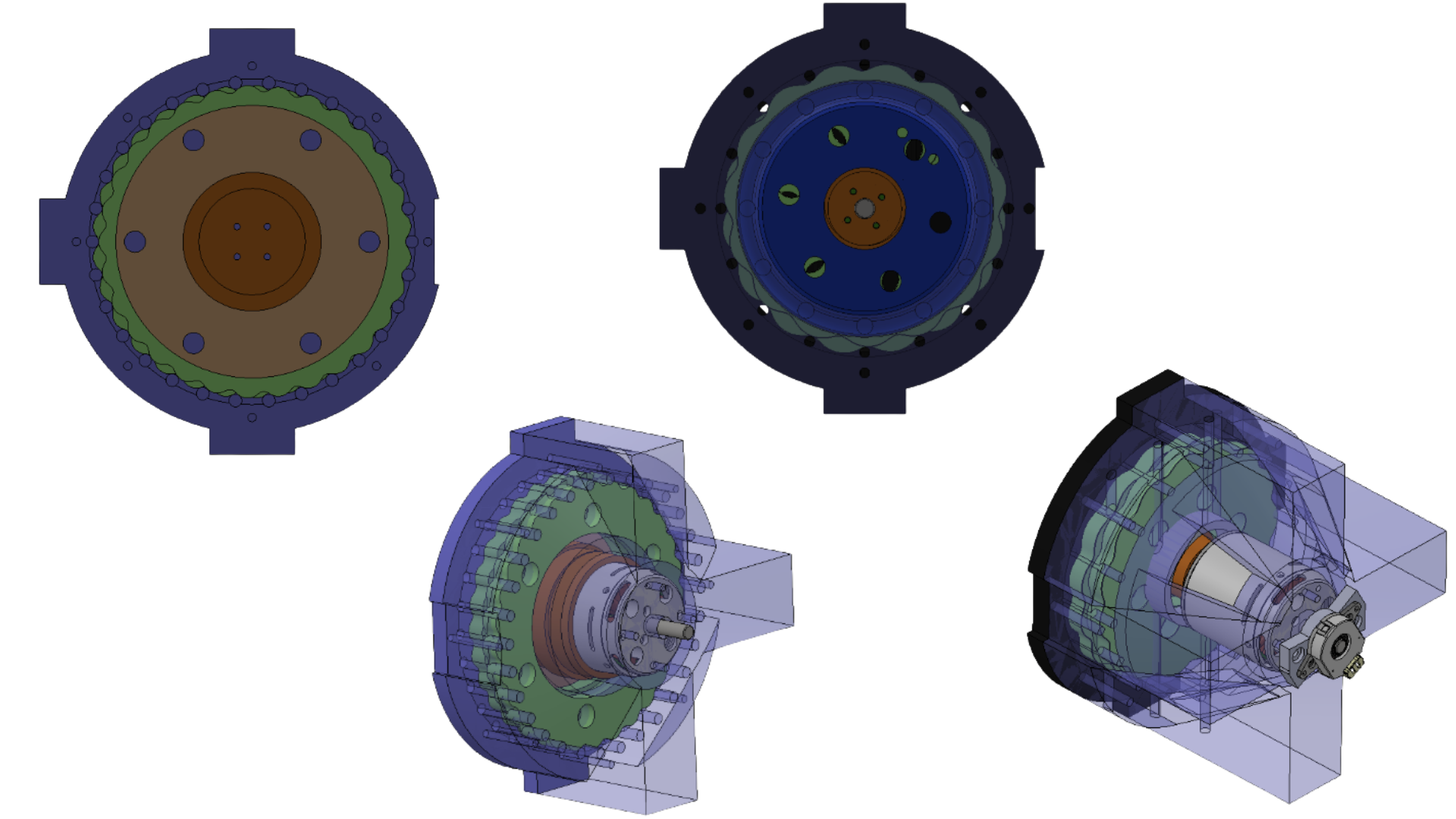
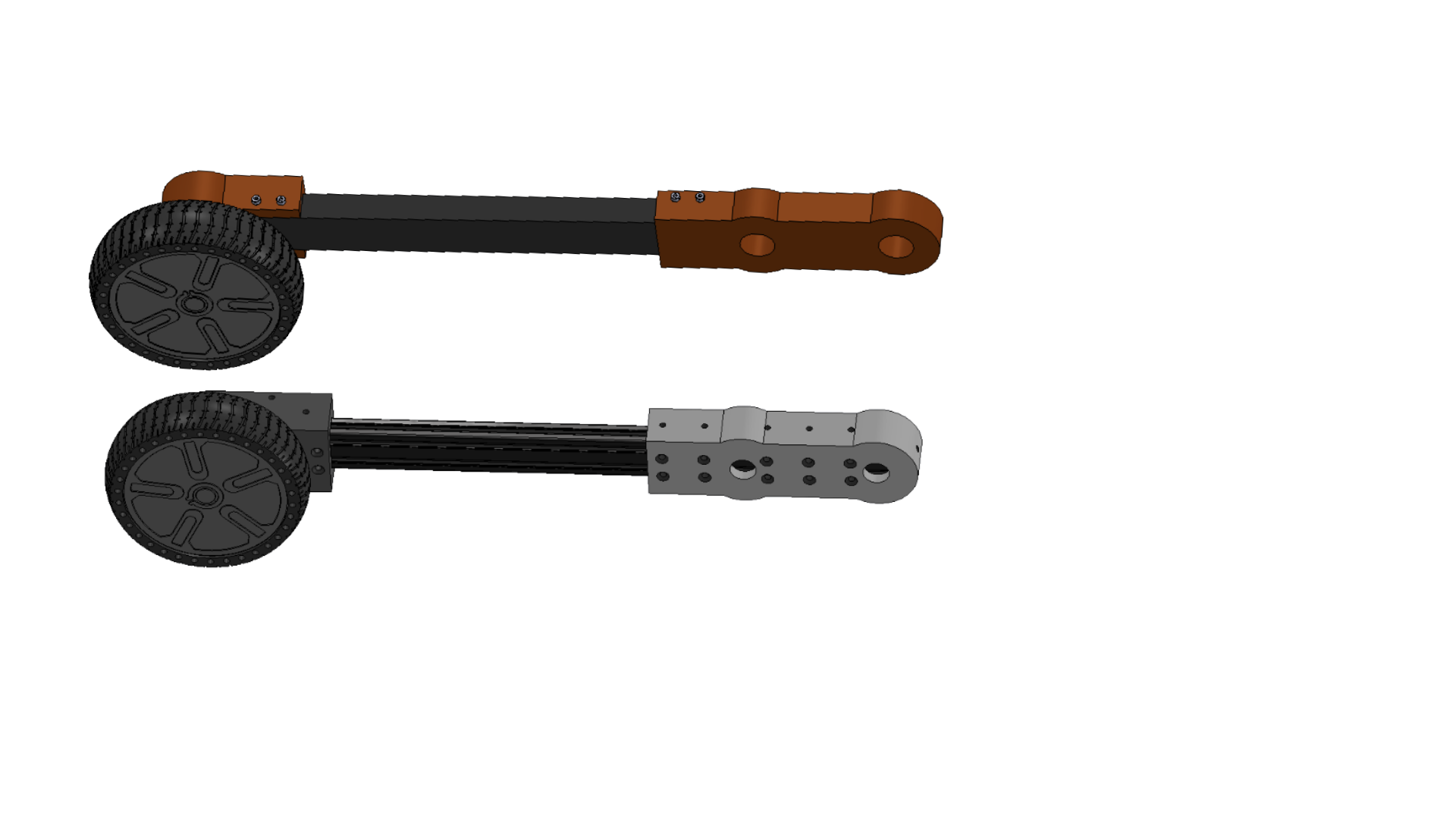
Gearbox geometry, motor packaging, leg structure, and service access were refined in CAD. Physical constraints drove repeated changes to printed parts, aluminum assemblies, and the modular robot architecture.
03
Fabricate and assemble
Turn CAD into hardware that survives the bench.
Rapid-prototyped housings, heat-set inserts, modular extrusion, and machined components supported fast iteration. Assembly exposed tolerance and access issues early enough to redesign them.
Rapid fabricationMechanical assembly
04
Power and integrate
Connect protected power, sensing, and actuation.
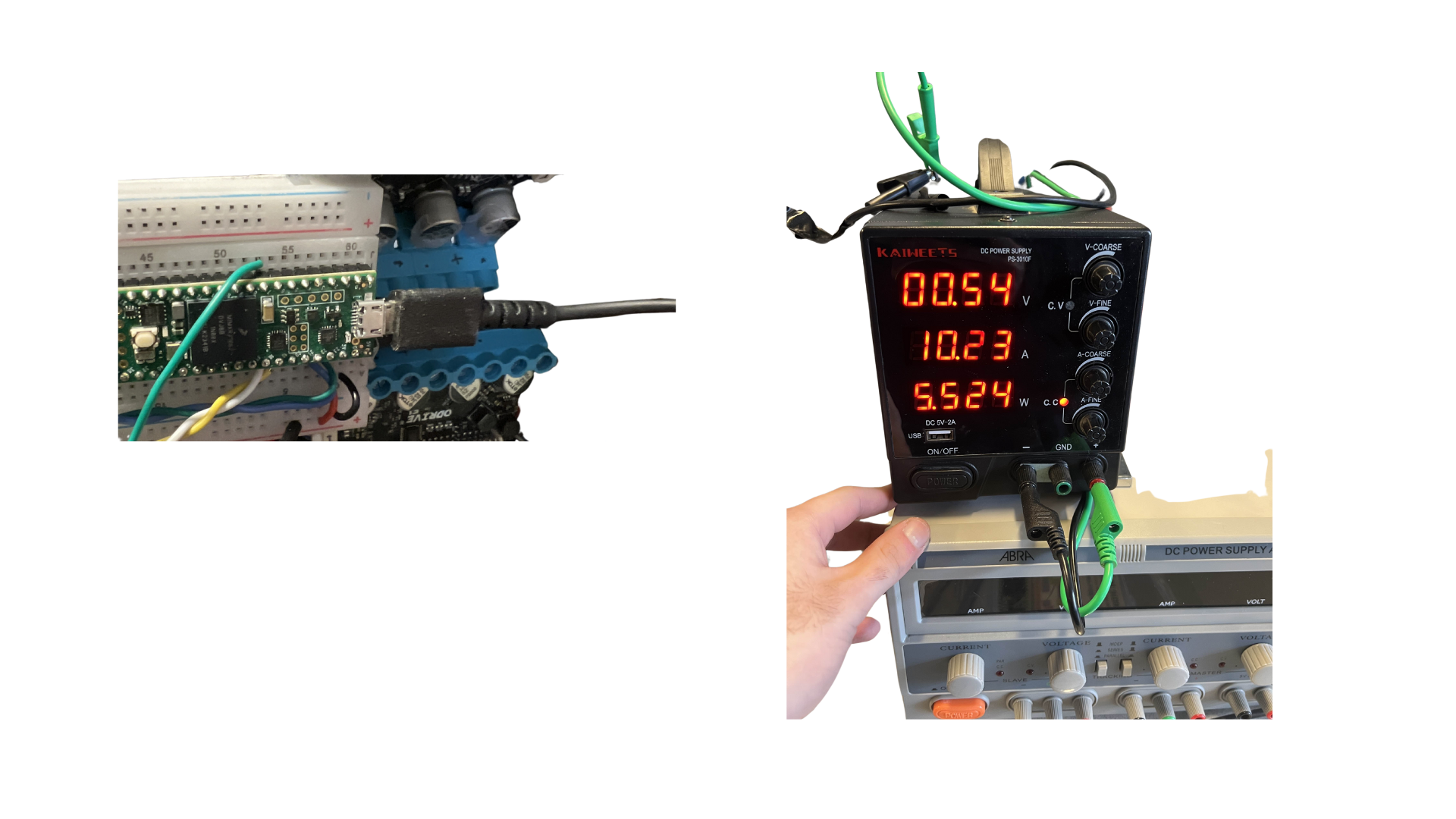
Separate motor and logic rails supported the Jetson, Teensy controllers, ODrive motor drives, sensors, and CAN network. Protection, monitoring, wiring, and reliable interfaces were central to full-system integration.
48 V power→Protected distribution→Embedded control→Motor actuation
05
Control and validate
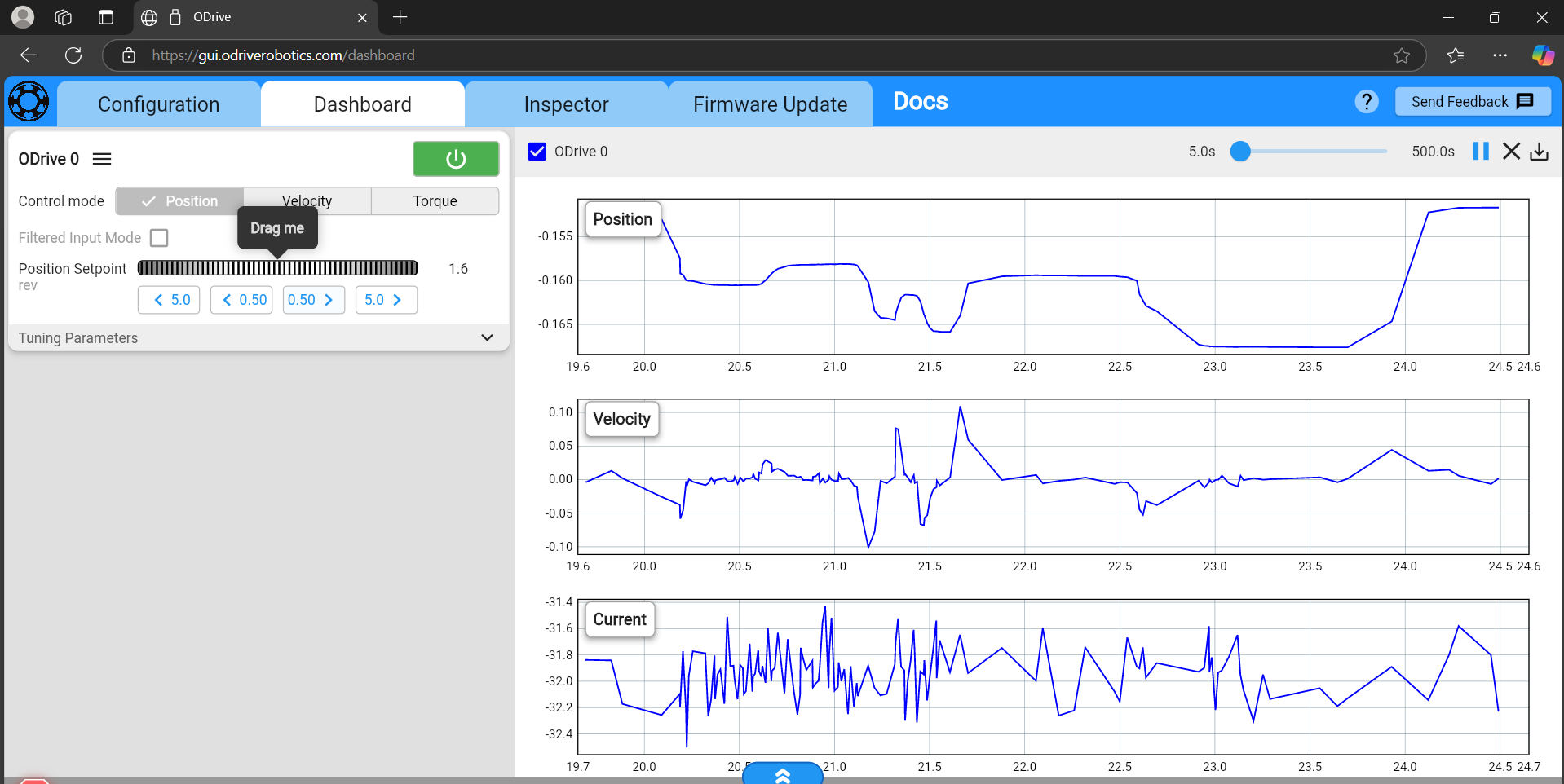
Make the robots measurable, tunable, and stable.
Cascaded balance and velocity control, calibration, filtering, and real-time tuning shaped the final behavior. Electrical load, gearbox response, communications, balance, and disturbance recovery were validated on physical hardware.
±1.5°steady-state balance error
<10 msmeasured CAN latency
06
Demonstrate
Two robots with distinct collaborative roles.
SPADE demonstrated self-balancing, full mobility, vertical movement, and recovery from the ground. ACE demonstrated self-balancing as the collaborative latching platform.
SPADE · full mobilityACE · balancing latch platform